

How it works
Printing is always free. Purchased components are covered by donations or charged at cost. Delivery is sometimes paid by the recipient.
DrukArmy brings together military personnel, 3D printer owners, engineers and donors. Volunteers make the needed parts in their own workshops and send them to the military. Military personnel never pay for 3D printing.
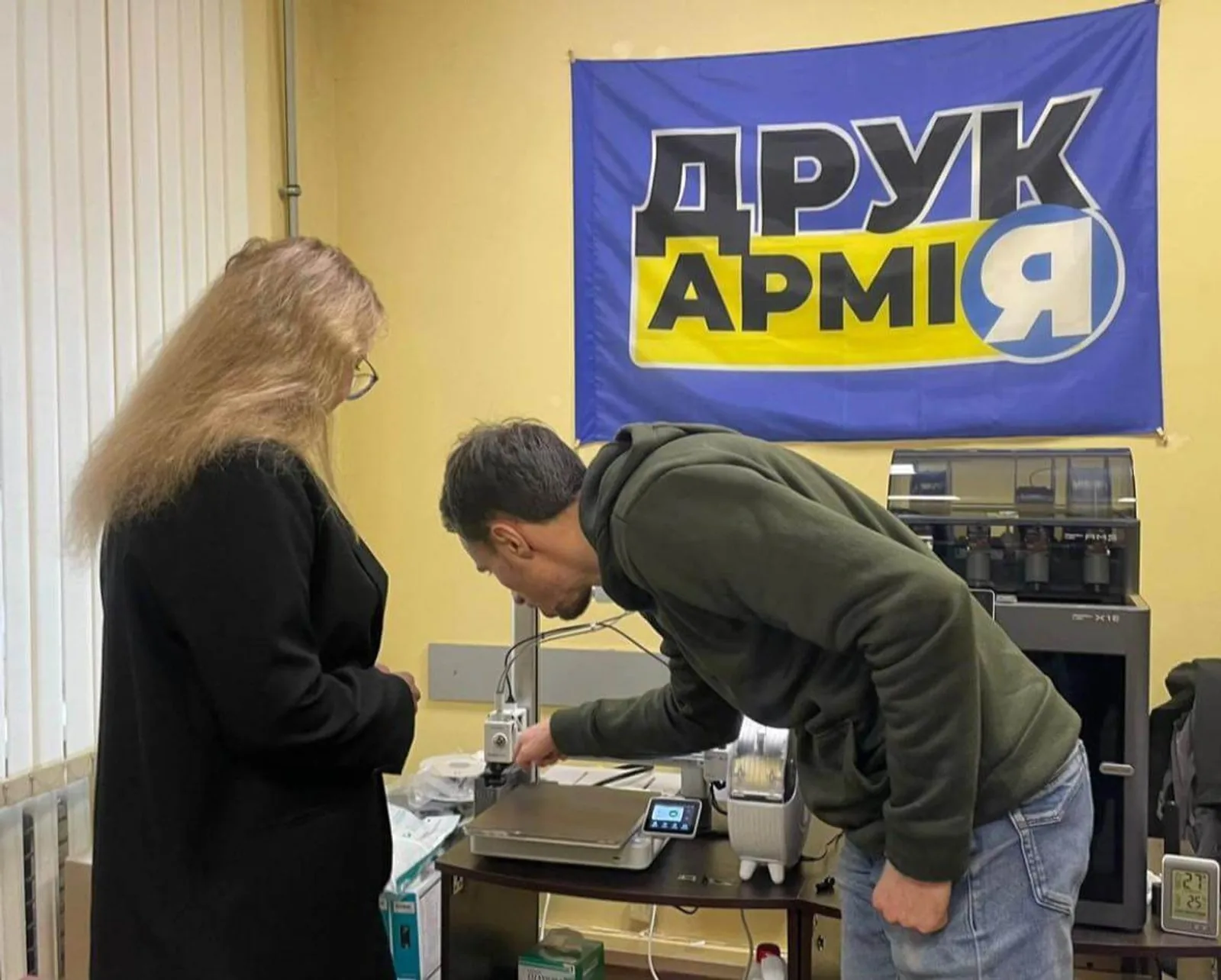
From a request from the front to a parcel: four simple steps
DrukArmy is not a factory with one huge workshop. It is a coordinated network of many small production sites, where everyone takes on a feasible share of the work.
A service member submits a request
They find the item in the catalog, choose the quantity and place an order. If there is no ready-made solution, they can describe what they need.
The system distributes the work
The platform helps organize orders, pass models and requirements to printers, and coordinate production of a batch.
Volunteers manufacture the parts
Printers take on tasks, start their 3D printers and check the quality of the parts before shipping.
The items reach the military
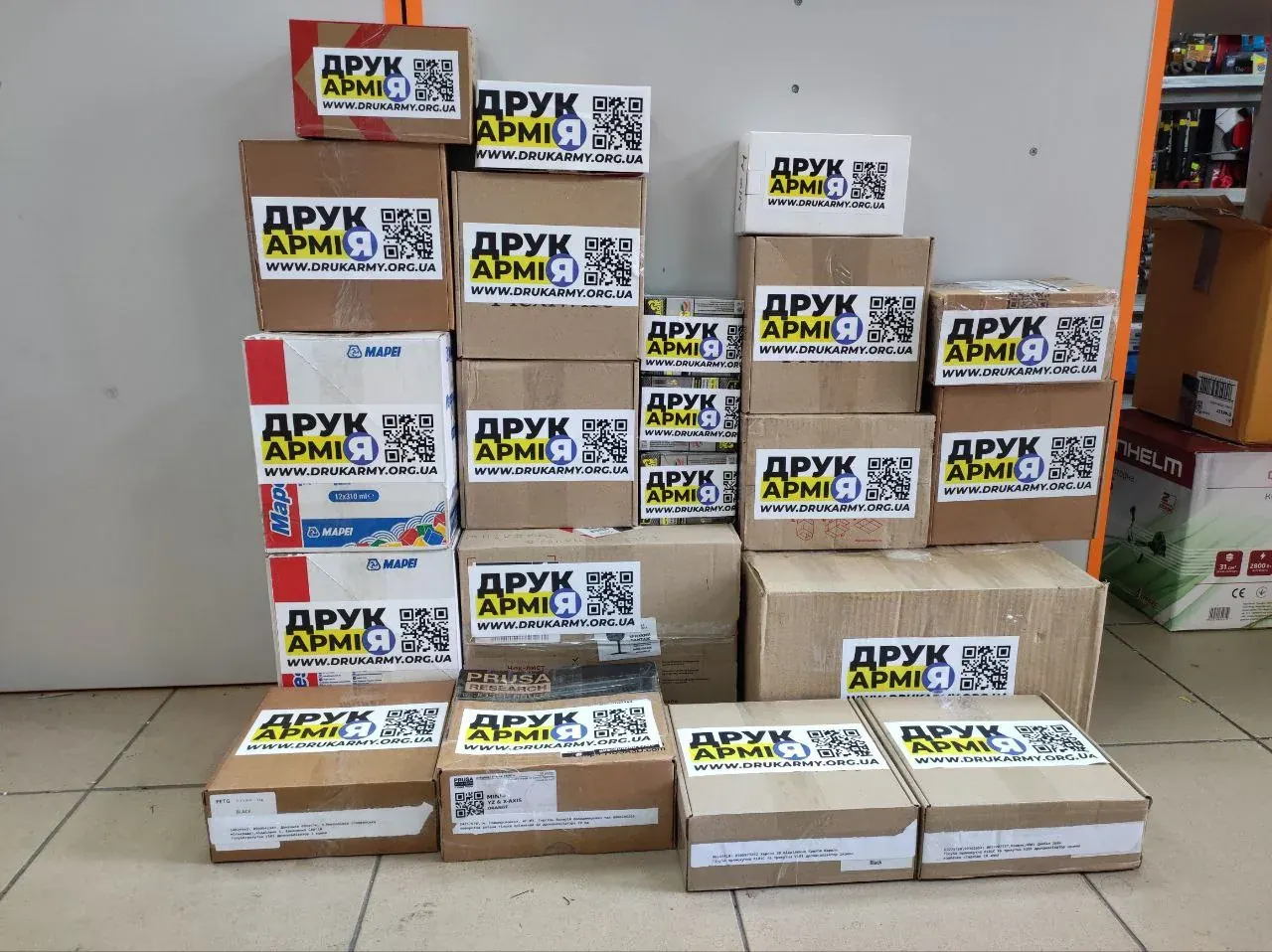
Finished parts are sent to recipients or delivered through hubs. 3D printing itself is free; if the volunteer has not paid for delivery, the service member sometimes pays for it.
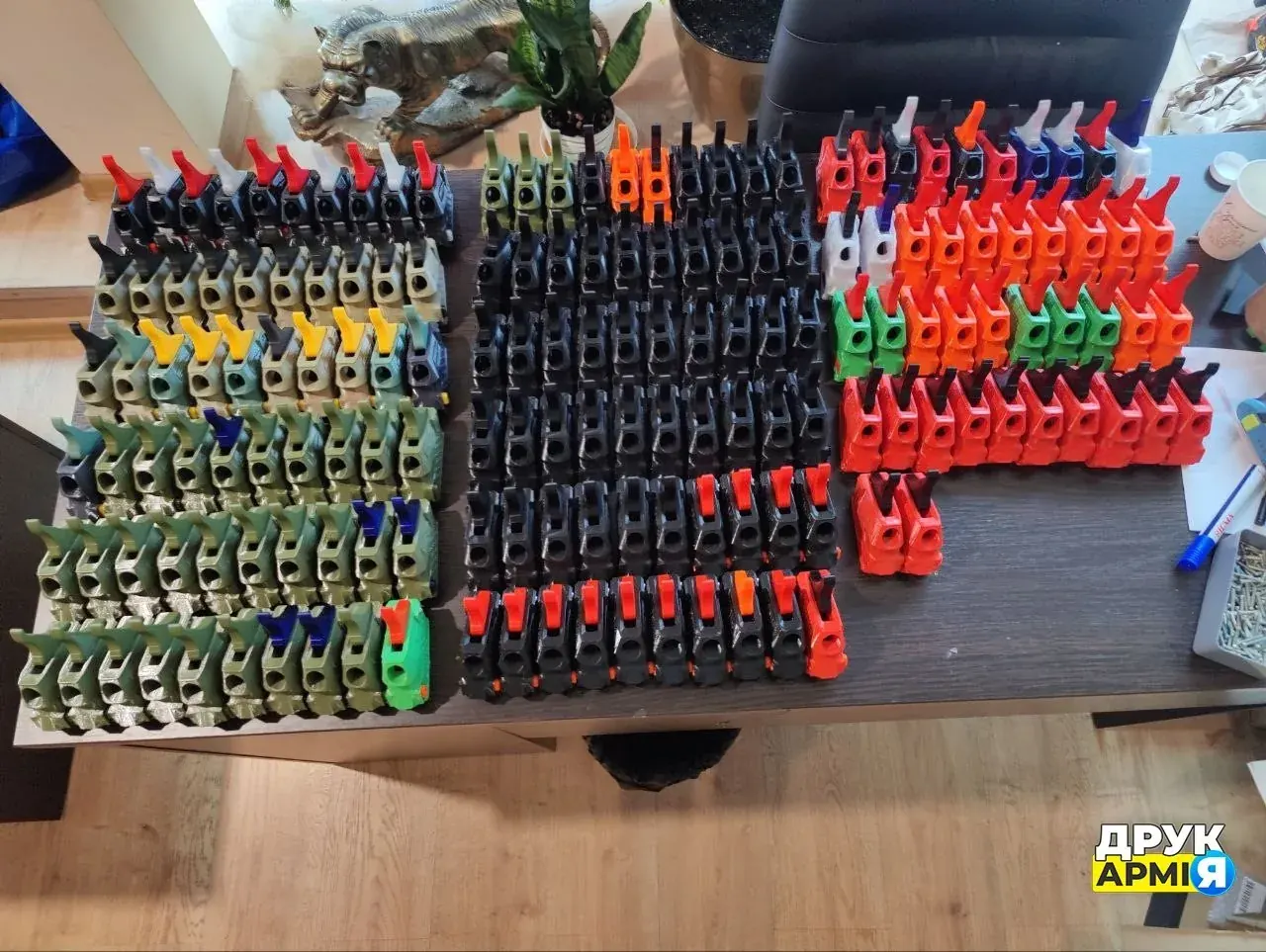
Here is why it makes sense even in numbers
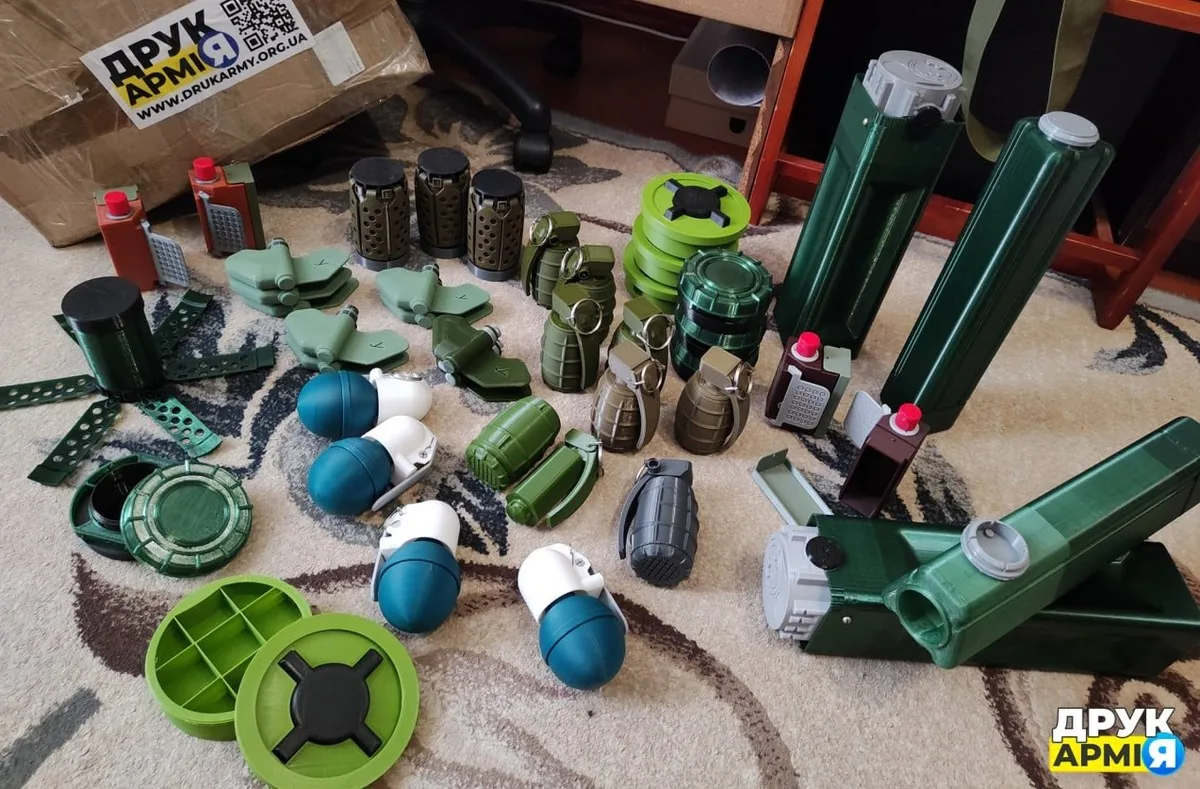
Imagine a mine safety instructor. They need a set of training models of anti-personnel mines. Such models can be bought as ready-made goods — or made on 3D printers by volunteers.
Comparison of one model set · published example
142 800 UAH
5 600 UAH
Savings compared with the market price — about 96%
137 200 UAH
About 25.5 times less spending. And that is just one training set.
Important: the service member does not pay this 5 600 UAH for printing. This is an example of production costs, not a price for the customer. They are covered by volunteers and donors.
In this example, production turned out to be about 25.5 times cheaper. But 5 600 UAH is the production cost, not a bill to the service member. Data from a public DrukArmy example (2025), cited in an OBOZ.UA article. This is an illustration of the model, not a current commercial offer.
Evidence: documents and models
Market prices, a request letter from a military unit, an acceptance act and the final calculation table — all the basis of the comparison above.
Why is it so cheap? There is no magic here
We did not invent cheaper plastic. We changed the way the needed items are made and delivered to the military.
- Volunteers contribute their time, printers, electricity and often plastic — 3D printing work is never billed to the military.
- Small batches are produced in many places at the same time — there is no need to build a separate factory for every item.
- Engineers create and test solutions, and the network of printers scales their production.
- Donations help provide printers with plastic, components and logistics.
- Every box represents spools of plastic, hours of printing, quality control, electricity and delivery.
What exactly we make
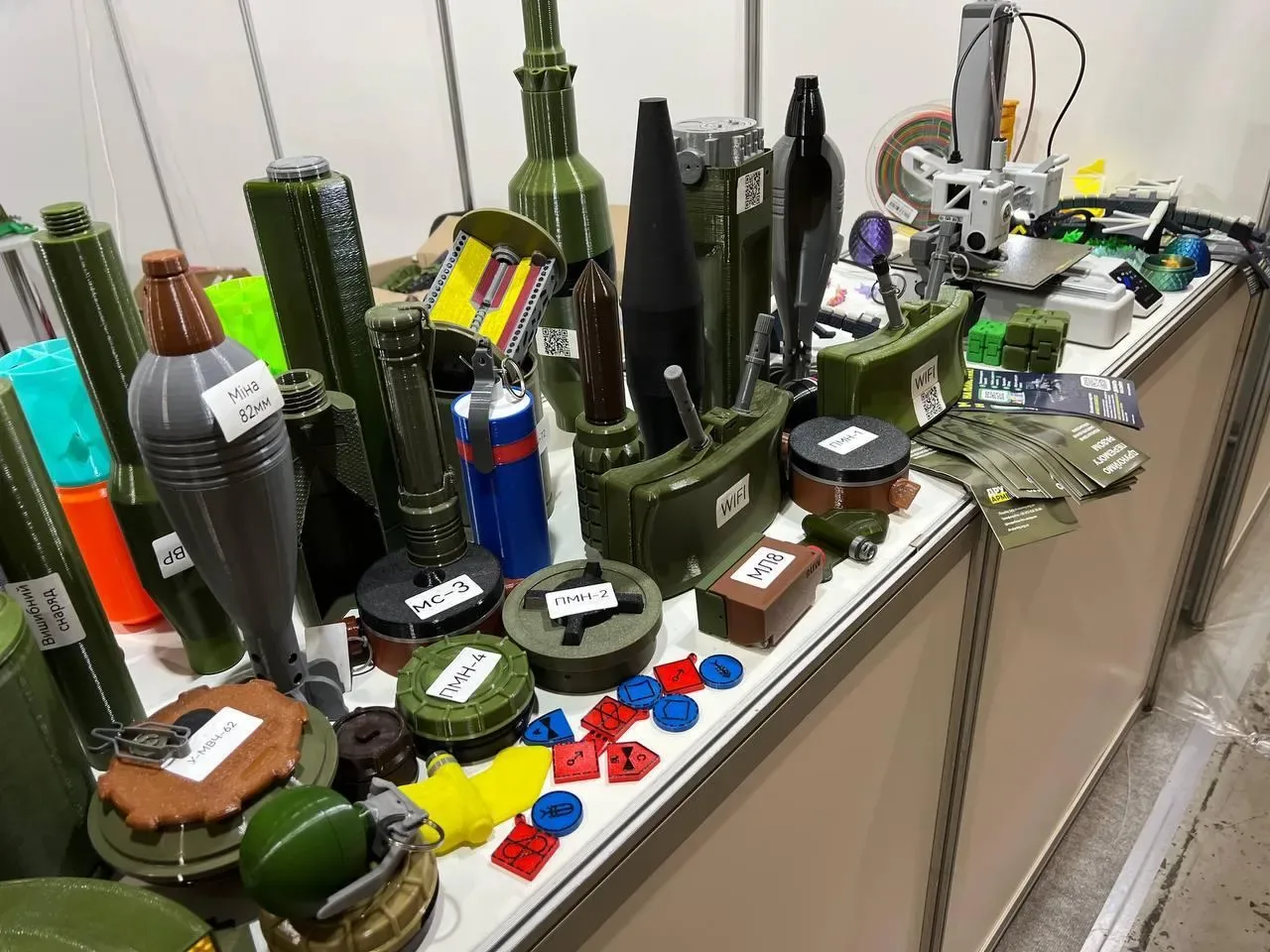
These are not computer renderings, but photos of real items made by volunteers.
Models of mines, grenades and ammunition
Safe training samples for sappers, instructors and mine safety classes.

Starlink cable protection
Simple plastic parts protect vulnerable connections during transport and use.

Parts for working with drones
Brackets, mounts and launch devices for specific crew tasks.
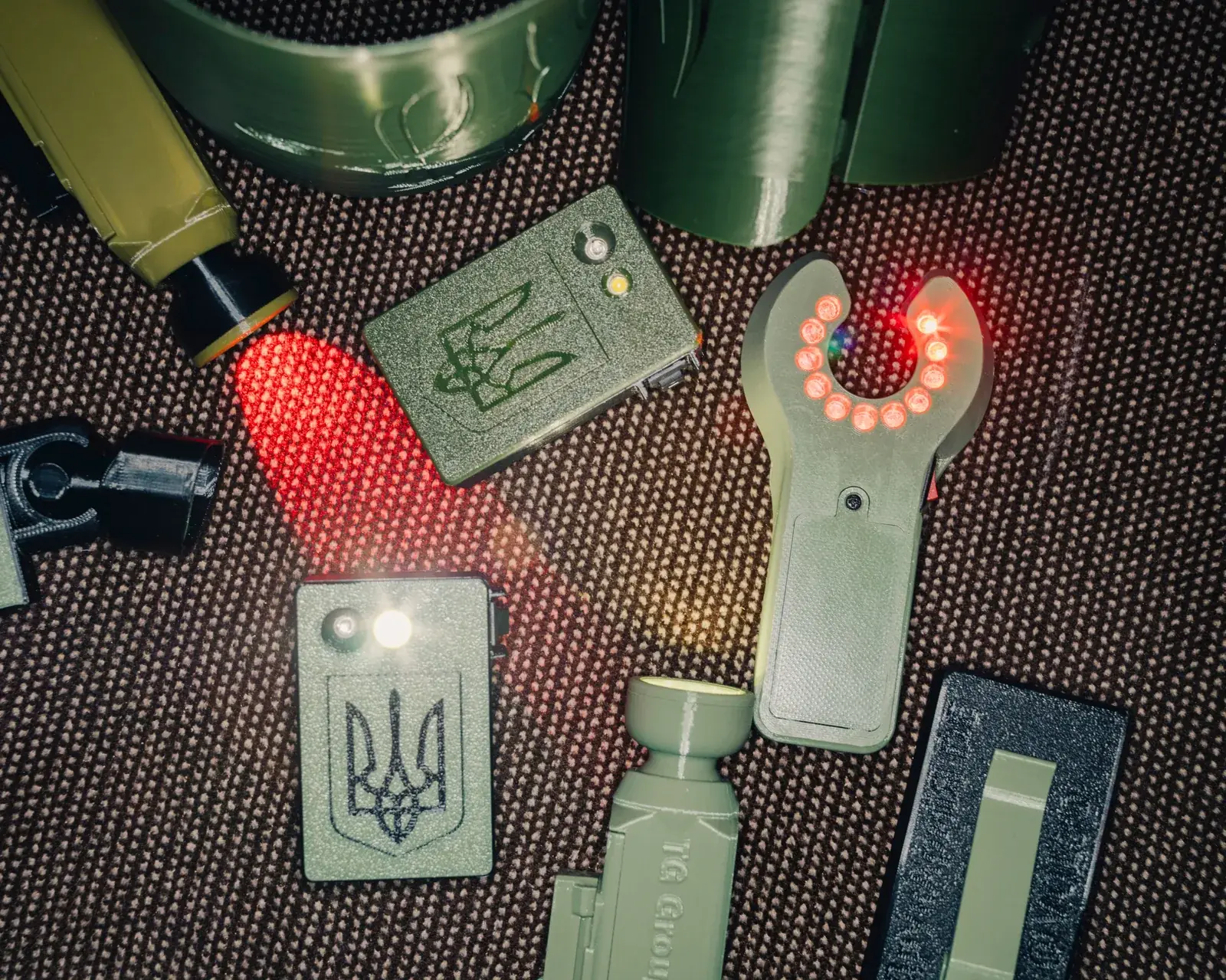
Devices with electronics
Boards, microchips, indicators, motors — their cost is covered by donors or the customer.
What is free for the military and what sometimes has to be paid for
3D printing itself — 0 UAH, always free
Printers voluntarily provide labor, equipment, time and often plastic. The military never pay for 3D printing work.
Additional components — at cost, only when there is no donor coverage
Boards, microchips, electronics, motors, springs, cables. We pay for them with donations first; if there is no funding, the customer covers only the actual cost. No printing fee and no markup.
Delivery — sometimes separate
Printers often ship at their own expense, and sometimes donors cover delivery. If shipping is not paid for, the service member may need to pay for delivery.
Why donor support matters so much to us
Volunteers bear most of the costs. Donations allow us to buy materials and components and pay for logistics — this reduces the military's expenses and makes it possible to fulfill more orders. Donations for electronics, boards and motors for complex products are especially important.
Support DrukArmyThere is a place for you in this system
You do not need a 3D printer, and you do not need to know how to model. There are three simple ways to be useful.
I am in the military
Find the item you need in the catalog and submit a request for your unit.
Submit a requestI have a 3D printer
Choose available tasks, print from ready-made models and send what you make.
Become a printerI want to help
Support the purchase of plastic, tell your friends about DrukArmy, or help attract new printers.
SupportQuestions that come up most often
Does the military have to pay for 3D printing?+
No, never. The military do not pay for the printers' work, the use of 3D printers or the printing process itself. Volunteers cover this.
Who pays for delivery?+
Often the printer or a donor pays for the parcel. If delivery is not paid by the sender, the service member sometimes has to pay for shipping.
What if the item contains electronics, a board or a motor?+
First we try to pay for purchased components with donations. If such funds are not available, the service member can pay only their actual cost. Printing remains free as before.
I have no experience in 3D printing. Can I join?+
Yes. There are ready-made models, instructions and community support. You can learn gradually, starting with simple items.
Why is DrukArmy needed if people can print on their own?+
To print exactly what is needed. The platform brings requests, models, requirements, production and shipping into a single process.
Can every item be 3D printed?+
No. 3D printing has limitations in strength, materials and precision. That is why we select a solution for each specific use.
One printer will not solve every problem. Thousands of printers are a different story.